

As a sericulturist, I’ve learned that creating the perfect silkworm rearing environment is key. Even a slight deviation from optimal conditions can lead to significant losses in silkworm farming.
To achieve optimal conditions for silkworm rearing, several key factors must be considered. I’ll guide you through the essential elements to consider when setting up your silkworm rearing facility. This ensures a healthy and productive silkworm crop.
Key Takeaways
- Maintaining optimal temperature and humidity levels is critical.
- Adequate ventilation is necessary for healthy silkworm development.
- Proper sanitation and hygiene practices prevent disease.
- Quality feed and nutrition are vital for silkworm health.
- Regular monitoring and maintenance ensure optimal conditions.
Understanding the Silkworm Life Cycle
To rear healthy silkworms, knowing their life cycle is key. It has four stages: eggs, larvae, pupae, and moths. Each stage needs specific conditions for growth.
Eggs: The Beginning of the Journey
The cycle starts with eggs, laid by the female moth. These eggs are small, oval-shaped, and usually yellow or light brown. Keeping the right temperature and humidity is vital for hatching.
- Eggs need a consistent temperature, around 25°C.
- Humidity should be between 80-90%.
Larvae: The Growth Phase
After hatching, the eggs turn into larvae, or silkworms. This stage is all about growth. Silkworms must eat fresh mulberry leaves often. They shed their skin several times as they grow.
- Larvae eat a lot and need food constantly.
- Keeping things clean is key to avoid disease.
Pupae and Moths: Entering Adulthood
When larvae finish growing, they spin cocoons and enter the pupae stage. Inside, they transform into moths. The adult moth then comes out of the cocoon.
The adult moths mate and lay eggs, starting the cycle again. Keeping the moths healthy is important for the next generation.
Ideal Temperature for Silkworm Growth
Keeping the right temperature is key for silkworm health. It affects their growth and the silk quality.
Different silkworm stages need different temperatures. Knowing these needs is vital for good silkworm farming.
Optimal Ranges for Different Stages
Young silkworms do best in 24°C to 27°C (75°F to 81°F). As they grow, the best temperature drops a bit. Later, they need 22°C to 25°C (72°F to 77°F) for healthy growth.
It’s important to watch and adjust the temperature for each silkworm stage. Changes can stress them, leading to sickness or lower silk quality.
Impact of Temperature on Silk Production
The quality and amount of silk silkworms make depend on their growth temperature. Optimal temperatures help them make better silk cocoons. Too high or low temperatures can harm cocoon quality or even kill the silkworms.
By keeping the temperature right, farmers can boost their silk yield and quality. This is a big part of best practices for silkworm farming and creating a great silk production environment.
In summary, controlling temperature is essential for silkworm success. By knowing and using the right temperatures for each stage, farmers can improve their silk production.
Humidity Levels that Promote Healthy Rearing
To raise healthy silkworms, knowing about humidity is key. Silkworms are very sensitive to their surroundings. Humidity is important for their growth.
Humidity impacts how silkworms eat, grow, and reproduce. If it’s too low, they can get stressed. This stress can slow their growth and make them more likely to get sick.
The Role of Humidity in Growth
Keeping the right humidity is critical for silkworm growth. Studies show silkworms do best in humid places, between 60-80% relative humidity.
“The optimal humidity for silkworm rearing is between 65-75% RH, which promotes healthy growth and development.”
In this range, silkworms can eat and grow well. They produce high-quality silk.
Measuring and Maintaining Humidity
To keep the right humidity, you need to measure and control it. A hygrometer is a great tool for checking the humidity in the rearing area.
| Humidity Level | Effect on Silkworms |
|---|---|
| Low ( | Stress, reduced growth, increased disease susceptibility |
| Optimal (60-80% RH) | Healthy growth, efficient feeding, high-quality silk production |
| High (>80% RH) | Moisture-related issues, fungal growth, reduced silk quality |
By keeping the ideal humidity, you create a great environment for your silkworms. This promotes healthy growth and high-quality silk.
Lighting Requirements for Silkworms
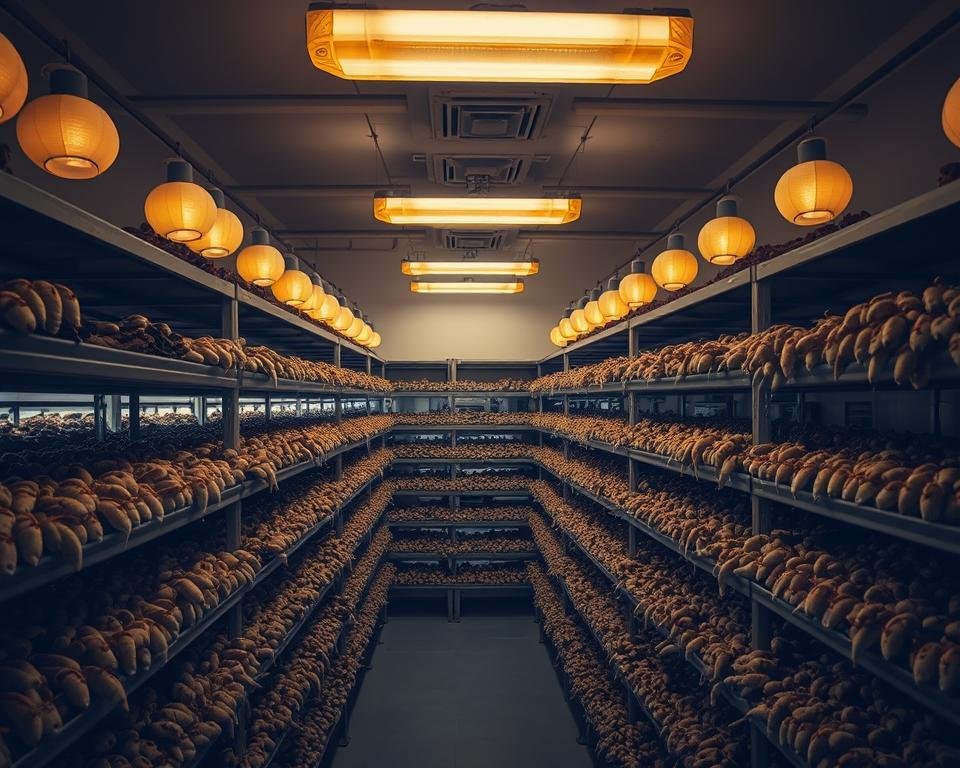
Proper lighting is key for a great silkworm rearing environment. It affects their growth, development, and behavior. Knowing what lighting they need helps create a better space for them to grow.
Natural vs. Artificial Lighting
There are two main lighting options for silkworms: natural and artificial. Natural lighting is best because it follows a natural day-night cycle. But, it’s not always possible, like in indoor settings.
Artificial lighting lets you control the light better. It can fill in for natural light or be the only light source. A patent for a silkworm rearing device shows how artificial light can be set to match natural daylight, helping silkworms grow naturally.
The Effects of Light on Behavior
Light can change how silkworms behave. For example:
- Silkworms move more under certain lights.
- Too much light or dark can mess with their eating habits.
- The right light intensity and time can keep them healthy and growing well.
Knowing these effects helps improve their living space. By adjusting the light, you can help them grow stronger and healthier.
Air Quality Considerations
Good air quality is key for silkworms to thrive. Silkworms are very sensitive to their environment. Bad air can harm their health and lower silk quality.
Ventilation is a major factor in air quality. It removes old air and brings in fresh, oxygen-rich air. This is vital for silkworm health.
Importance of Ventilation
Ventilation is critical in silkworm care. It keeps the air fresh, preventing harmful gases and diseases. A well-ventilated space also controls temperature and humidity, creating a stable environment for growth.
Managing Odors and Contaminants
Managing odors and contaminants is also vital. Silkworm waste can cause bad smells and attract pests. Regular cleaning and proper waste disposal are essential to keep the air clean and prevent disease.
Here’s a quick summary of what’s important for air quality in silkworm rearing:
| Factor | Importance | Action Required |
|---|---|---|
| Ventilation | High | Ensure proper airflow |
| Waste Management | High | Regular cleaning and disposal |
| Odor Control | Medium | Minimize waste accumulation |
By focusing on these areas, you can create the best environment for your silkworms. This promotes healthy growth and high-quality silk production.
Nutrition: Feeding Silkworms Right
A well-balanced diet is key for silkworms to grow well and produce quality silk. I’ve raised silkworms before and know how important nutrition is for their health and growth.
Silkworms are monophagous, which means they only eat mulberry leaves. The quality and amount of these leaves affect their growth.
Ideal Diet for Silkworms
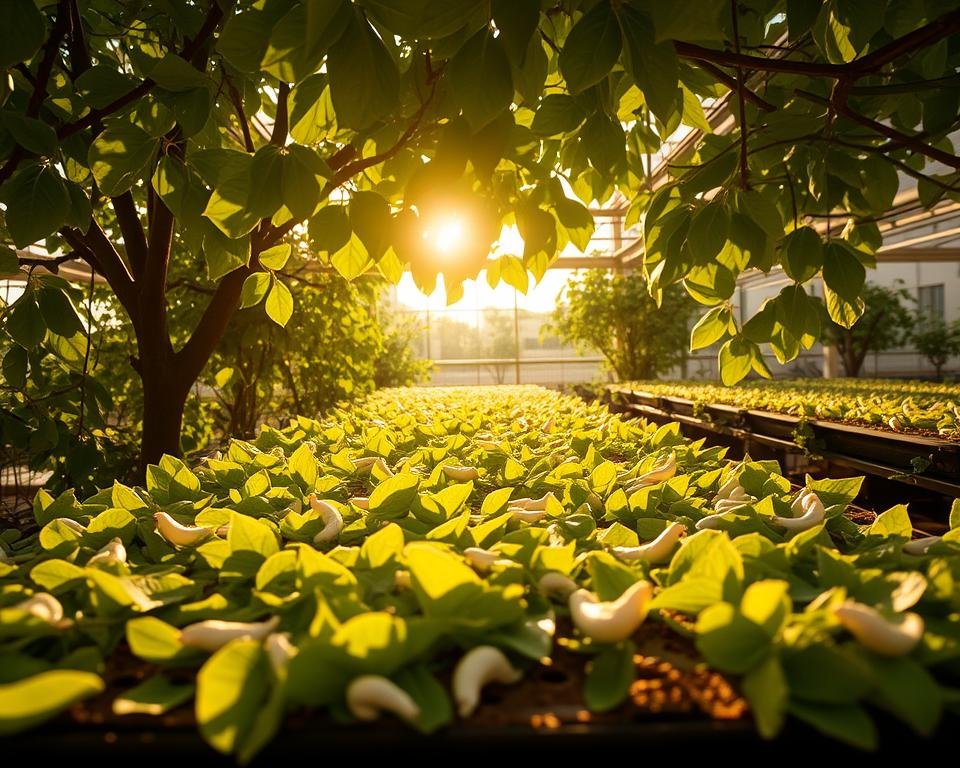
The best diet for silkworms is fresh, tender mulberry leaves. These leaves must be free from pesticides and diseases to keep the silkworms healthy.
- Fresh mulberry leaves give silkworms the nutrients they need to grow.
- The leaves should be picked when they’re at the right stage of maturity for the best nutrition.
Frequency and Quantity of Feeding
Feeding silkworms is more than just giving them the right food. It’s also about how often and how much. They need to eat regularly, mostly when they’re in the larval stage.
| Stage | Frequency of Feeding | Quantity |
|---|---|---|
| 1st-2nd instar | 3-4 times a day | Small quantities |
| 3rd-4th instar | 4-5 times a day | Moderate quantities |
| 5th instar | 5-6 times a day | Large quantities |
By sticking to this feeding plan, you can make sure your silkworms get the nutrients they need for healthy growth and silk production.
Space and Housing for Silkworms
A good rearing environment is key for silkworm health. The space and housing they get affect their growth and silk quality.
Rearing Equipment Options
There are many rearing equipment types for silkworm farming. Each has its own benefits. Some common ones are:
- Rotary mount rearing equipment, which saves space and makes handling easy.
- Multi-layered rearing systems, great for using space well.
- Simple tray or shelf systems, good for small farms.
Choosing the right equipment depends on the farm size, space, and budget. It should be well-ventilated, easy to clean, and spacious for the silkworms.
Optimizing Space Utilization
Planning the rearing facility layout is key for space use. Here are some tips:
- Make sure there’s enough space between trays or shelves for easy access and care.
- Use vertical space with multi-tiered systems.
- Plan the layout well to reduce movement and use space better.
By following these tips, farmers can make their operations more efficient. This improves silkworm health and productivity.
| Equipment Type | Space Utilization | Ease of Maintenance |
|---|---|---|
| Rotary Mount | High | Easy |
| Multi-Layered | Very High | Moderate |
| Simple Tray/Shelf | Low | Easy |
Understanding these options helps farmers choose the best equipment and layout for their needs.
Disease Management in Silkworms
To raise healthy silkworms, it’s vital to have strong disease management plans. Silkworms can get sick from many diseases. These can hurt their health and how well they grow.
Diseases in silkworms come from bacteria, fungi, or viruses. Knowing the common diseases and their signs is key. This helps find and treat problems early.
Common Diseases and Their Symptoms
Grasserie, flacherie, and muscardine are common silkworm diseases. Grasserie, a viral disease, makes silkworms swell and change color. Flacherie, from bacteria, makes them tired and lose their appetite. Muscardine, a fungus, makes them hard and white.
Preventative Measures for Health
Stopping diseases before they start is important. Keep the rearing area clean, well-ventilated, and feed them well. Watch their health closely and remove sick ones fast.
Also, clean the equipment and place well between batches. This cuts down disease spread. These steps help keep your silkworms healthy and productive.
The Significance of Cleanliness
Cleanliness is key for silkworm health and productivity. Keeping their environment clean helps prevent disease and supports growth. We’ll look at why regular cleaning is important for silkworm health.
Regular Cleaning Routines
Having a set cleaning schedule is vital for a healthy silkworm environment. This means:
- Removing dead silkworms and waste daily
- Disinfecting trays and equipment often
- Keeping the area dust-free and clean
By doing these things, you lower disease risk and create a perfect climate for silkworm rearing.
Impact of Hygiene on Silkworm Health
Good hygiene directly affects silkworm health and productivity. A clean space:
- Lessens disease risk
- Supports healthy growth
- Improves silk quality
Keeping a clean silk production environment ensures your silkworms stay healthy. This also boosts silk quality.
Preparing for Harvesting Silk
As we near the end of the silkworm rearing cycle, preparing for harvesting silk is key. Keeping the silkworm rearing environment optimal is essential for high-quality silk.
To get the most silk, knowing the best time to harvest is critical. Watch the silkworms’ growth and make sure they’ve spun their cocoons fully. The best time to harvest is when cocoons are firm and have a uniform color.
Optimal Timing for Harvesting
Harvesting at the right time is important for silk quality. Harvesting too early can mean cocoons aren’t fully formed. Waiting too long can cause moths to emerge, damaging the cocoons.
Harvesting Techniques
Using the right harvesting techniques is vital for silk quality. This means collecting cocoons carefully and handling them gently to avoid damage. By optimizing the silkworm rearing environment and following best practices, you can improve your silk’s quality and quantity.