
The making of silk is a detailed and ancient art. It has been perfected over many years. With over 4.5 million sericulture farms around the world, silk’s impact is huge. It’s big not just for the economy but also for the environment.
Let’s explore the Silk Processing steps together. You’ll see how silkworms are harvested to make the final fabric. This journey is more than just making a fancy textile. It’s also about the rich history and cultural value behind it.
Key Takeaways
- The lifecycle of silkworms plays a key role in silk production.
- Sericulture farming has a big environmental impact.
- The silk processing journey involves many detailed steps.
- Silk making is a big deal economically in many places.
- The cultural importance of silk differs across cultures.
Introduction to Silk Processing
Silk processing is not just a craft; it’s an art form with a rich history. As I dive into the world of silk production, I’m amazed by its complexity and beauty.
What is Silk Processing?
Silk processing turns raw silk into fabric through several steps. These include degumming, dyeing, and weaving or knitting. The quality of the final product depends on the care taken at each step.
The silk industry has grown, using new tech while keeping traditional methods. Knowing the basics of silk processing helps us appreciate the skill in making silk fabrics.
The History of Silk
Silk’s history goes back over 5,000 years to ancient China. The Silk Road helped spread silk production and culture worldwide.
Silk was once a symbol of wealth and status, loved by royalty and nobility. Its complex production made it a rare luxury.
Importance of Silk in Culture
Silk holds deep cultural meaning, symbolizing good fortune and prosperity in many Asian cultures.
In fashion and design, silk has been a key player, shaping our views on textiles. Its versatility has made it a favorite among designers and consumers.
The table below shows how silk is culturally significant in different parts of the world:
| Culture | Significance of Silk |
|---|---|
| Chinese | Symbol of good fortune and prosperity |
| Indian | Used in traditional clothing and ceremonies |
| Western | Associated with luxury and high fashion |
As we explore silk processing further, its cultural and historical value is as important as its making.
The Lifecycle of Silk: From Cocoon to Fabric
The journey of silk from cocoon to fabric is truly fascinating. It involves many detailed steps. To make top-quality silk, knowing about the silkworm’s biology and cocoon harvesting is key.
Understanding the Silkworm
The silkworm, the larval stage of the Bombyx mori moth, creates silk. These worms eat mulberry leaves and grow. They then spin a cocoon around themselves, made of a single, long silk filament.
Knowing the silkworm’s life cycle is vital for silk fabric processing. It affects the silk’s quality.
Harvesting Silkworm Cocoons
Getting silkworm cocoons is a delicate task. It’s done carefully to not harm the silk filament. After collecting, cocoons are sorted by quality and color.
Then, they’re processed to get the silk filament. This process uses silk processing techniques that have been perfected over time.
The silk’s quality depends on how well cocoons are handled and processed. Damaged or low-quality cocoons make lower-grade silk. So, quality control is very important in silk production. It ensures only the best cocoons are used for high-quality silk fabric.
Different Types of Silk
It’s important to know about the different types of silk. Silk is known for its soft feel and lasting quality. It’s not just one thing; it’s many types, each with its own special features and ways of making it.
Mulberry silk and wild silk are the two main kinds. They differ based on what the silkworms eat and how they’re raised.
Mulberry Silk vs. Wild Silk
Mulberry silk comes from silkworms that eat mulberry leaves. It’s seen as better quality because it’s so fine and even. Making mulberry silk involves special care, like keeping the silkworms in the right place to get the best cocoons.
Wild silk comes from silkworms that eat plants in the wild. It’s not as smooth and has more color variety than mulberry silk. Making wild silk is often more old-fashioned and hard work.
Unique Characteristics of Each Type
Mulberry and wild silk have their own special traits. Mulberry silk is great for fancy clothes because it’s so smooth and shiny. Wild silk is good for crafts because it’s rougher and has natural colors.
- Mulberry silk is fine and strong.
- Wild silk is coarser and has more color.
- How silk is processed changes a lot.
The tools used for silk processing also change based on the silk type. For example, removing the sericin from the fibers is different for mulberry and wild silk because of their different qualities.
In short, the variety in silk types shows how complex and rich silk making is. Knowing these differences helps both makers and buyers see the special qualities and uses of each type.
The Silk Processing Steps: A Detailed Overview
Commercial silk processing turns raw silk cocoons into luxurious fabrics. It’s a detailed process that needs precision, patience, and a deep understanding of silk.
The first step is degumming, which removes the sericin coating from the silk fibers. Sericin is a gummy substance that holds the filament together. To degum the silk, manufacturers soak the cocoons in hot water or use a mild soap solution. This process cleans the fibers and makes silk soft and lustrous.
Degumming the Silk
Degumming is a delicate process that requires careful control. The goal is to remove sericin without damaging the silk fibers. Modern machinery helps make this process efficient and consistent.
After degumming, the silk fibers are rinsed and dried. This step is important as it prepares the silk for dyeing. The quality of degumming affects the silk’s final appearance and texture.
Dyeing Techniques
Dyeing brings silk to life with a wide range of colors and shades. Traditional methods include hand-painting or dye baths. Modern techniques use advanced machinery for uniform results.
The dyeing technique depends on the desired outcome and the silk type. For example, Mulberry silk and wild silk may need different approaches. Dyeing not only adds color but also enhances the silk’s natural beauty.
In conclusion, silk processing steps, from degumming to dyeing, are complex and require expertise. Understanding these processes shows the craftsmanship and care in creating high-quality silk fabrics.
Tools and Technology in Silk Processing
The silk industry has seen big changes thanks to new tools and technology. Old methods of silk processing have given way to modern machinery. This shift has greatly improved how silk is made.
Traditional Hand Tools
Even with new tech, old hand tools are key in silk processing. They’re loved for their precision and the quality they add. Traditional tools include:
- Reeling machines that carefully unwind the silk filaments from cocoons
- Handlooms for weaving silk fabrics
- Natural dyes and traditional dyeing techniques
These old ways are kept alive for their cultural value and the special qualities they bring to silk. A study found that these methods add unique touches to silk products. You can read more about it here: the impact of traditional silk processing.
Modern Innovations
Modern tech has made silk manufacturing faster and bigger. New machines do tasks that used to take a lot of work, like degumming, dyeing, and weaving.
Some modern tech includes:
- Automated reeling machines that make silk extraction faster and more consistent
- Digital printing for detailed designs on silk
- Green dyeing methods that are better for the environment
New tech has made the silk industry more productive and creative. As it keeps growing, we’ll likely see even more tech advances in silk making.
Environmental Impact of Silk Processing
The silk industry is facing scrutiny for its environmental impact. From sericulture to fabric processing, each stage has its own environmental effects. This includes the use of chemicals in degumming and dyeing.
Traditional methods use harsh chemicals that pollute waterways and harm ecosystems. But, there’s a shift towards sustainable silk processing.
Sustainability Considerations
Sustainable silk processing aims to reduce environmental harm without compromising quality. It involves using eco-friendly dyes and reducing water use. Efficient waste management is also key.
Adopting organic silk production methods is a major strategy. Organic silk avoids synthetic chemicals, making it better for the environment. It also results in higher quality silk.
The Role of Organic Silk
Organic silk is vital for reducing the silk industry’s environmental impact. It avoids synthetic chemicals, preserving soil health and biodiversity. This reduces pollution too.
Organic silk is not just better for the environment; it’s also of higher quality and durability. Consumers are looking for sustainable products, and organic silk meets this demand.

To show the differences between conventional and organic silk processing, let’s look at a comparison table:
| Aspect | Conventional Silk Processing | Organic Silk Processing |
|---|---|---|
| Chemical Use | Uses synthetic chemicals for degumming and dyeing | Avoids synthetic chemicals, using natural alternatives |
| Environmental Impact | Can lead to water pollution and soil degradation | Reduces environmental harm, promoting biodiversity |
| Product Quality | May result in lower quality due to chemical residues | Often results in higher quality silk with natural texture |
By focusing on sustainable practices and organic silk, the industry can lessen its environmental impact. It can do this while keeping the luxurious quality that silk is famous for.
Silk in Fashion and Textiles
Silk has a big impact on fashion, showing both tradition and new ideas. It’s loved for its soft feel and many uses, making it key in textiles.
I find it amazing how silk can make a simple piece of clothing into something elegant. It’s used in both old and new styles, adding a luxury that’s hard to find elsewhere.
Iconic Silk Garments
Silk has been in famous clothes for ages. The Chinese cheongsam and Indian sari are known for their silk and designs. These clothes show silk’s beauty and its role in cultures.
“Silk is a fabric that has been woven into the very fabric of our culture, symbolizing elegance, refinement, and luxury.”
Designers like Coco Chanel and Christian Dior have made stunning dresses with silk. Its smoothness is perfect for flowing, elegant looks.
The Versatility of Silk in Design
Silk is amazing because it can be made in many ways. It can be smooth or have detailed patterns. This lets designers try new silk processing methods for unique looks.
In commercial silk processing, makers are always finding better ways to make silk. They use eco-friendly ways and digital printing for more designs and less harm to the environment.
| Type of Silk | Characteristics | Uses in Fashion |
|---|---|---|
| Mulberry Silk | Soft, luxurious, and durable | High-end clothing, evening wear |
| Wild Silk | Coarser texture, natural color variations | Unique, eco-friendly designs, and statement pieces |
| Charmeuse Silk | Smooth, lustrous finish on one side | Linings, evening wear, and lingerie |
Silk is a top choice for designers because of its beauty and feel. As fashion changes, silk will keep being popular. This is thanks to its timeless appeal and new ways of making silk.
In conclusion, silk is very important in fashion and textiles. It shows its long history, cultural value, and design flexibility. Silk will keep being a key part of fashion, with new ways of making it for years to come.
The Future of Silk Processing
The silk industry is set for big changes thanks to new tech and green concerns. It’s key to look at the new ideas that will change it.
Innovations on the Horizon
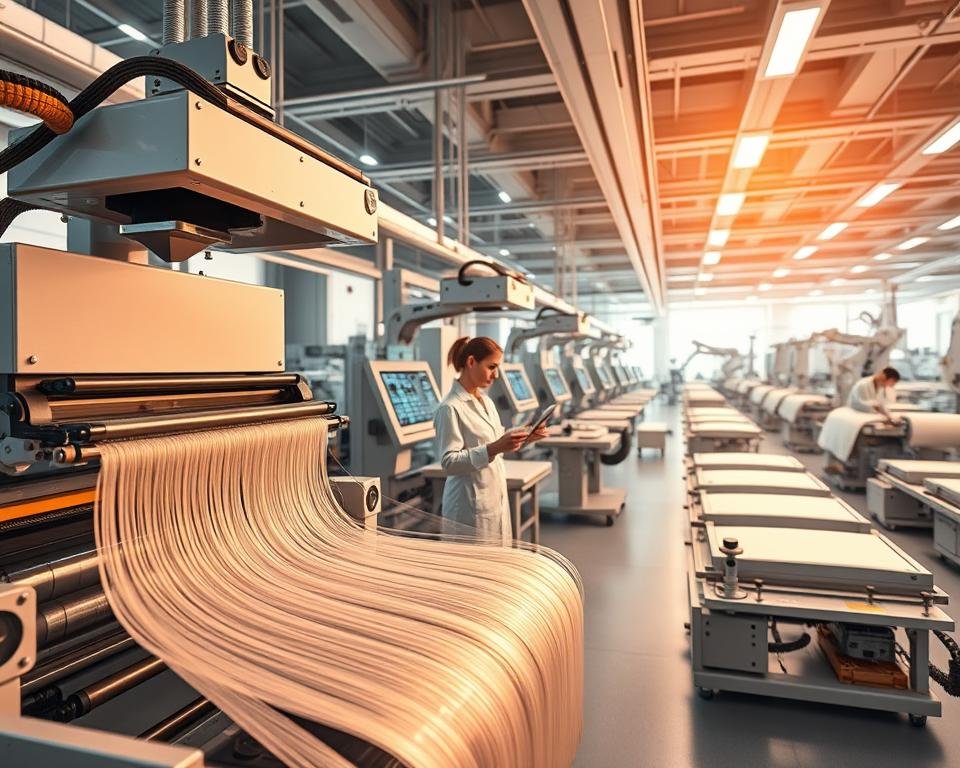
New tech is making silk production better and greener. For example, machines are now doing degumming and dyeing, which is better for the planet. Scientists are also working on biotechnology to make silkworms stronger and silk better.
There’s also a push for eco-friendly dyes and treatments for silk. Companies are using new methods that cut down on water pollution and carbon emissions. These steps help the environment and make silk products better and more appealing.
Challenges Facing the Industry
The silk industry has big challenges ahead. One major issue is how it affects the environment, like water use and waste. It needs to meet growing demands for being green and cut its ecological harm.
Another hurdle is the competition from fake fibers and other materials. To stay ahead, the silk industry must focus on what makes silk special. It needs to market its unique qualities well.
The industry also has to work on fair labor practices. By being ethical and open, it can improve its image. This will attract customers who care about social issues.
In summary, the silk industry’s future is full of both chances and hurdles. By embracing new ideas and tackling its problems, it can keep growing and stay important in the world of textiles.
Conclusion: Embracing the Beauty of Silk
Our journey through silk processing shows its enduring charm. The steps from degumming to dyeing reveal silk’s beauty and complexity. It’s clear that silk remains a source of inspiration.
The Timeless Appeal of Silk
Silk’s appeal lies in its unique qualities and cultural importance. Its luxurious feel, durability, and versatility make it highly sought after. Learning about silk processing deepens our appreciation for it.
Preserving Tradition and Embracing Innovation
The silk industry must balance tradition and innovation. This balance ensures silk stays relevant in a changing world. It keeps its timeless appeal alive.