
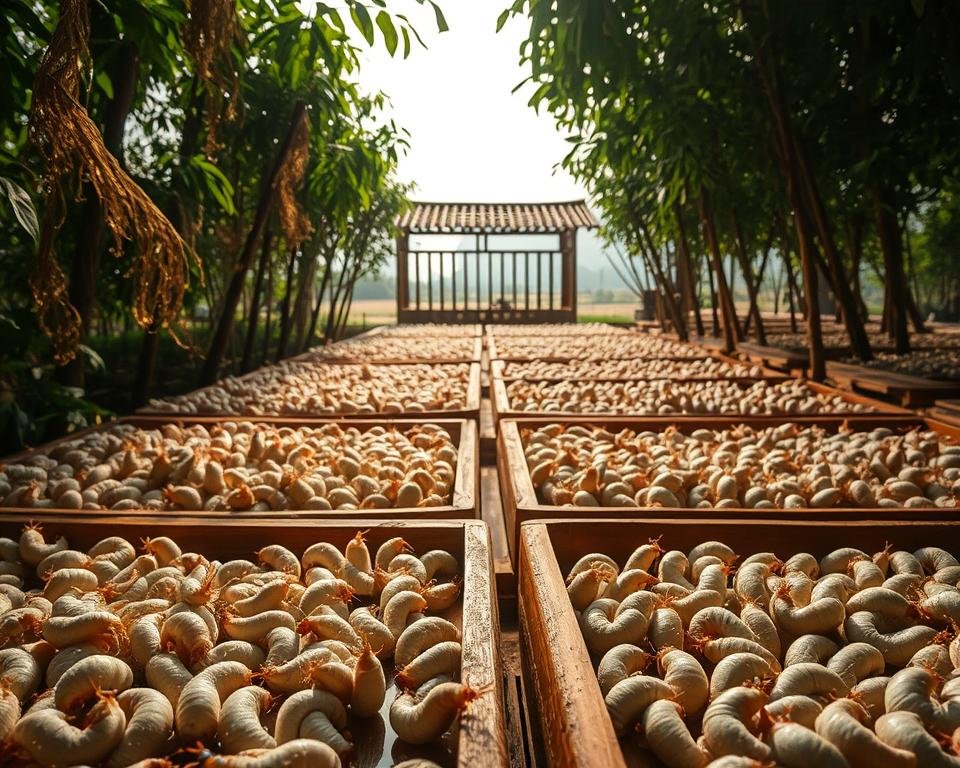
Did you know that sericulture, the practice of breeding silkworms for silk, is very old? It has been around for centuries. Starting to raise silkworms can be both thrilling and scary for beginners.
I’ll guide you through it, sharing key tips and methods to help you do well. This comprehensive guide will cover the tools you need, the silkworm life cycle, and how to get silk.
Key Takeaways
- Understand the basics of sericulture and silkworm cultivation
- Learn about the necessary equipment for silkworm breeding
- Discover the life cycle of silkworms and how to care for them
- Master the techniques for harvesting high-quality silk
- Avoid common mistakes that beginners make in silkworm rearing
Introduction to Silkworm Rearing
Silkworms are the larvae of the silkmoth and are key to the silk industry. Learning about silkworm biology and silk production is essential. This knowledge is vital for sericulture.
What Are Silkworms?
Silkworms are the larvae of the domesticated silkmoth, Bombyx mori. They are famous for making silk, a natural protein fiber. Silkworms go through four stages: egg, larva, pupa, and moth.
The larval stage is when they eat mulberry leaves and grow. They then spin a cocoon made of silk.
Understanding silkworm biology is key for successful rearing. Diet, environment, and health are important for their growth and silk production.
Importance of Silkworm Rearing
Silkworm rearing is a source of income for many. It’s also a big part of cultural heritage in several countries. Sericulture helps rural economies and creates jobs.
Silk production is also good for the environment. It’s biodegradable and renewable.
“Sericulture is an ideal occupation for rural people, as it requires minimum land and can be taken up as a subsidiary occupation.”
Overview of the Silk Production Process
The silk production starts with hatching silkworm eggs. The larvae eat mulberry leaves until they’re ready to spin cocoons. The cocoons are then harvested.
The silk is extracted by soaking the cocoons in water. This loosens the sericin, a gummy substance. Then, the filament is unwound to get the silk thread.
Experts say, “The quality of silk depends on the rearing conditions and harvesting and processing techniques.” So, learning sericulture techniques is important for quality silk.
Choosing the Right Silkworm Species
Starting a silkworm farm means picking the right species. There are many silkworms to choose from. Knowing their traits is key for a good sericulture practice.
Common Types of Silkworms
The Bombyx mori is the most common silkworm. It’s great for beginners because it’s tough and makes high-quality silk.
Other silkworms like Antheraea assamensis and Attacus atlas also have special traits. But, they need more specific care and conditions.
| Species | Characteristics | Silk Quality |
|---|---|---|
| Bombyx mori | Hardy, adaptable | High quality, fine texture |
| Antheraea assamensis | Specific dietary needs | Golden silk, highly valued |
| Attacus atlas | Large size, distinctive patterns | Coarser silk, less common |
Factors to Consider in Selection
Choosing a silkworm species involves several factors. These include climate adaptability, feed availability, and the silk’s intended use.
Bombyx mori is popular because it adapts well to different climates. It eats mulberry leaves, which are easy to grow.

Understanding these factors is essential for a successful silkworm farm. Picking the right species ensures a healthy and productive sericulture practice.
Setting Up a Silkworm Rearing Space
To successfully rear silkworms, you need a suitable space. Silkworms are delicate and need a controlled environment to thrive.
Ideal Environmental Conditions
Silkworms grow best in certain conditions. The ideal temperature is between 23°C to 25°C. Keeping the relative humidity at 80-90% is also key. It prevents dehydration and promotes growth.
For lighting, silkworms need a well-lit area but avoid direct sunlight. A diffused light setup is best. It provides the right amount of light without overheating.
Housing Options for Silkworms
There are several housing options for silkworms. You can use wooden or plastic trays with mesh bottoms for ventilation. Or, create a silkworm rearing rack with layers for space and airflow.
Choose a housing option that is clean, dry, and well-ventilated. Regular cleaning is key to prevent disease.
Essential Equipment and Supplies
For a healthy silkworm rearing environment, you’ll need certain equipment. This includes thermometers and hygrometers for monitoring, feeding trays for feeding, and disinfectants for cleanliness.
A spray bottle helps keep humidity levels right by spraying water. Make sure all equipment is clean and in good condition for your silkworms’ health.
Feeding Your Silkworms
Silkworms eat a lot, and it’s key to feed them right for success. What they eat affects their growth and the silk quality.
Types of Feed for Silkworms
The main food for silkworms is mulberry leaves. Mulberry leaves are full of nutrients and easy for silkworms to digest. While mulberry leaves are the best choice, other leaves like lettuce or osage orange can work if mulberry leaves are not available. But, these alternatives might not have the same nutritional value.
For research, silkworms can eat artificial diets. But this is rare. The food’s quality and freshness are very important because silkworms are very sensitive to their food’s condition.
Feeding Schedule and Guidelines
Silkworms need to eat often, more so when they’re young. Feed them several times a day to keep them with fresh leaves. As they get bigger, you can change how much food you give them.
- Make sure the leaves are fresh and clean.
- Take out any leaves they don’t eat to stop them from rotting.
- Watch how the silkworms are doing and adjust their food as needed.
By following these tips and knowing what silkworms need to eat, you can help them stay healthy and productive. This will lead to a great sericulture experience.
Life Cycle of Silkworms
Knowing the life cycle of silkworms is key for successful breeding. If you’re into raising silkworms, it’s important to understand their journey from egg to adult moth.
Stages of Development
The silkworm life cycle has four main stages: egg, larva, pupa, and adult. The egg stage starts with silkworm eggs incubated in a controlled setting for the best hatching.
The larval stage, or the feeding stage, is when silkworms grow and shed their skin several times. They eat a lot of mulberry leaves, their main food.
When they get older, they move to the pupal stage. Here, they wrap themselves in cocoons. This is when silk is made, as the cocoons are harvested for the silk fibers.
Lastly, the adult stage is when silkworms turn into moths. Their main job is to mate and lay eggs for the next generation.
Duration of Each Stage
The time each stage lasts can change based on things like temperature, humidity, and food. Usually, eggs hatch in about 10 days. The larval stage lasts 20-30 days, and the pupal stage is around 10-14 days.
- Egg stage: 10 days
- Larval stage: 20-30 days
- Pupal stage: 10-14 days
- Adult stage: 3-7 days
Knowing these times is important for planning and managing silkworm breeding well.
Monitoring Silkworm Health
To get a good silk harvest, it’s key to watch your silkworms’ health. Healthy silkworms make better silk. So, checking their health often is important for How to Raise Silkworms well.
Diseases and Pests Affecting Silkworms
Silkworms face many diseases and pests. These can harm their health and silk production. Some big problems are:
- Pebrine disease, a serious issue caused by a parasite.
- Flacherie, a bacterial disease that can kill many silkworms.
- Pests like the dermestid beetle, which can harm silkworms and their cocoons.
To fight these issues, use Silkworm Farming Tips. Keep things clean, use clean tools, and make sure air circulates well.
| Disease/Pest | Symptoms | Prevention/Control Measures |
|---|---|---|
| Pebrine | Small, dark spots on silkworms; less cocoon production. | Use disease-free eggs; keep things clean. |
| Flacherie | Silkworms get weak, lose interest in food; many die. | Improve air flow; lower humidity. |
| Dermestid Beetle | Holes in cocoons; beetles or their young are seen. | Use covers; keep area clean. |
Signs of Healthy Silkworms
It’s important to know when silkworms are healthy. Healthy silkworms:
- Move a lot and eat well.
- Are all the same size and color.
- Make cocoons that are tight and right.
Experts say, “Keeping silkworms healthy is key to good silk.”
“A healthy silkworm is the foundation of high-quality silk production.” – Sericulture Expert
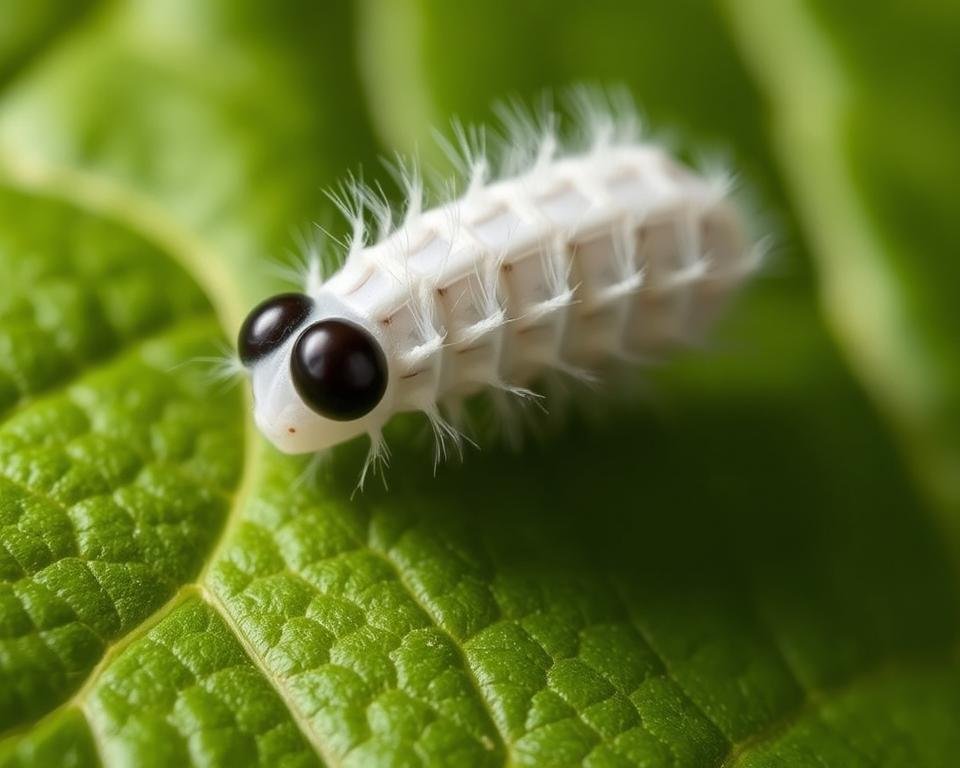
By following these tips and watching your silkworms closely, you can have a better harvest. For more Silkworm Farming Tips, look at resources from trusted sericulture groups.
Harvesting Silk from Silkworms
To make top-quality silk, you need to know how to harvest it from silkworms. This is key in sericulture, the art of raising silkworms for silk. Harvesting silk is a precise task that needs the right timing and care to get the best silk.
Timing the Harvest
When you harvest is very important for silk quality. Silkworms spin their cocoons over a few days. You must pick the cocoons before the moth comes out, as the moth can harm the cocoon and lower silk quality. Cocoons are usually picked 7-10 days after the silkworms start spinning.
Techniques for Silkworm Harvesting
There are a few ways to harvest silk from silkworms, including:
- Manual Cocoon Harvesting: This method involves picking cocoons by hand carefully to avoid damage.
- Cocoon Sorting: After picking, cocoons are sorted by quality and size for even silk production.
- Stifling: To stop the moth from coming out and damaging the cocoon, cocoons are treated with heat.
By learning these sericulture techniques, silk makers can produce high-quality silk that meets textile industry standards.
Post-Harvest Processing
Post-harvest processing is key in silkworm rearing. It makes sure the silk is top-notch. Every detail matters in this phase.
After picking, the silk needs cleaning. This removes dirt from the harvesting process. It keeps the silk’s quality and feel intact.
Cleaning and Storing Silk
To clean the silk, use cold water and a mild detergent. Be gentle to avoid harming the silk.
After washing, dry the silk carefully. Keep it away from direct sunlight. This helps keep the silk’s color and texture.
Store the dried silk in a cool, dry spot. Good storage keeps the silk quality high over time.
Quality Control Measures
Quality checks are done to meet standards. They look for defects, color consistency, and texture.
| Quality Parameter | Description | Acceptance Criteria |
|---|---|---|
| Defects | Presence of any damage or irregularities | Minimal to no defects |
| Color Consistency | Uniformity of color across the silk | High uniformity |
| Texture | Smoothness and evenness of the silk | Smooth and even |
These quality checks ensure the silk is of high quality. It meets the needs of producers and buyers.
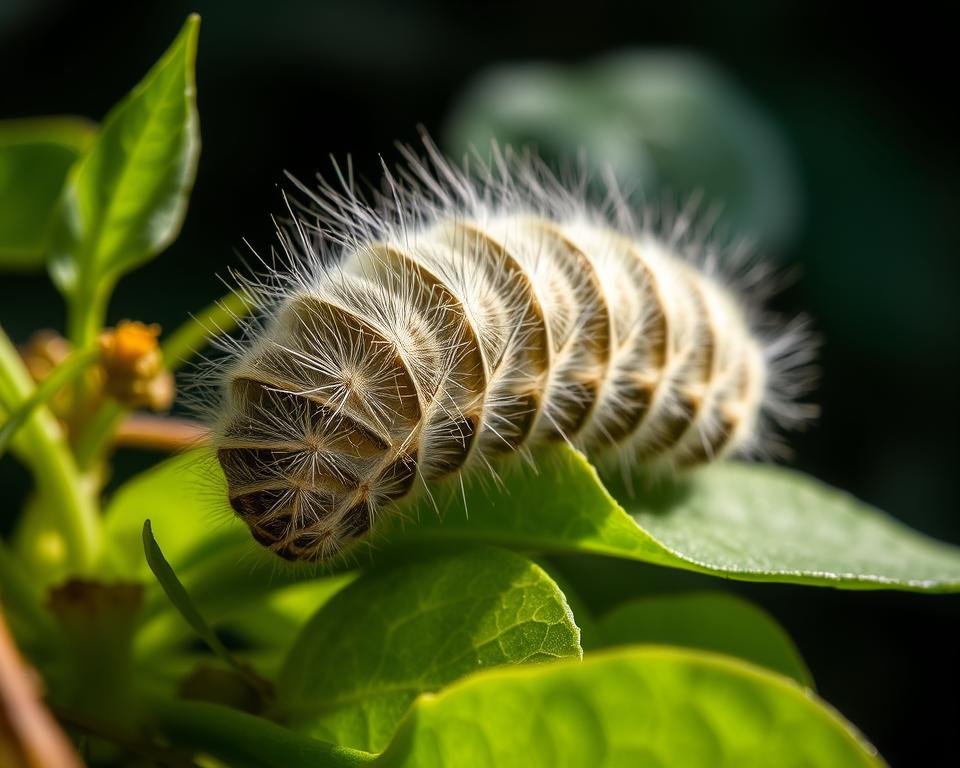
Good post-harvest processing mixes old and new methods. It makes sure the silk is both lovely and lasting.
Silkworm Rearing as a Sustainable Practice
Silkworm rearing is good for the environment and helps the economy. It lets people help the planet and earn money at the same time.
Benefits for the Environment
Silkworms eat mulberry leaves, which are easy to find and grow back. This helps grow more mulberry trees, which is good for nature. It also means less waste and a smaller carbon footprint.
A guide on silkworm rearing shows how it can be green. It talks about using organic farming and less chemicals.
Economic Advantages
Silkworm rearing also helps the economy. It gives jobs and income to people in rural areas, mainly in poor countries. It boosts local economies and creates jobs.
The table below shows how much money can be made from sericulture:
| Activity | Income | Jobs |
|---|---|---|
| Mulberry Cultivation | $1,000 – $3,000 per acre | Farmers and laborers |
| Silkworm Rearing | $500 – $2,000 per cycle | Rearers and cocoon suppliers |
| Silk Production | $2,000 – $5,000 per kg | Weavers and artisans |
Knowing the good things about silkworm rearing helps people decide to do it. It’s a way to make a difference and help the economy grow.
Troubleshooting Common Issues
Even with careful planning, problems can happen during silkworm rearing. But being ready can help a lot. Knowing the common issues that might affect your silkworms’ health and productivity is key.
Addressing Feeding Problems
Feeding issues can really hurt your silkworms’ health and growth. A big problem is the quality of the feed. Experienced sericulturists say, “High-quality mulberry leaves are vital for silkworms’ healthy growth.” It’s important to make sure your silkworms get fresh, nutritious food.
To fix feeding problems, try these steps:
- Check the quality of your mulberry leaves often.
- Keep a regular feeding schedule.
- Make sure the feeding area is clean and free from dirt.
By following these tips, you can solve feeding issues and help your silkworms grow well.
Dealing with Disease Outbreaks
Disease outbreaks can be very bad for silkworms. Being watchful and quick to act is important to manage and stop disease spread.
Some common diseases in silkworms include:
| Disease | Symptoms | Prevention/Control Measures |
|---|---|---|
| Pebrine | Small, dark spots on the larvae | Strict hygiene, removal of infected larvae |
| Flacherie | Body softening, often leading to death | Proper sanitation, isolation of infected silkworms |
As a silkworm rearer, it’s important to watch your silkworms for disease signs. Act fast if you see any unusual symptoms.
“Prevention is better than cure” is a mantra that applies well to silkworm rearing.
By being proactive and knowing about possible problems, you can have a successful silkworm rearing experience.
Resources for Further Learning
As you keep learning about silkworm rearing, it’s key to stay informed. You should also connect with the sericulture community. I’ve gathered a list of useful resources to help you improve your skills and keep up with new techniques.
Recommended Resources
If you want to learn more about silkworm rearing, check out books and websites on sericulture. Online forums and communities are also great. They let you meet experienced silkworm rearers, share knowledge, and learn from their stories.
Communities and Forums
Online communities and forums are full of helpful information and support. You can ask questions, share your own experiences, and get advice from others. It’s a great way to learn the latest in silkworm farming and best practices.